Can You Trust AI with Your Dental Problems? Dentist Explains What AI Can and Cannot Do


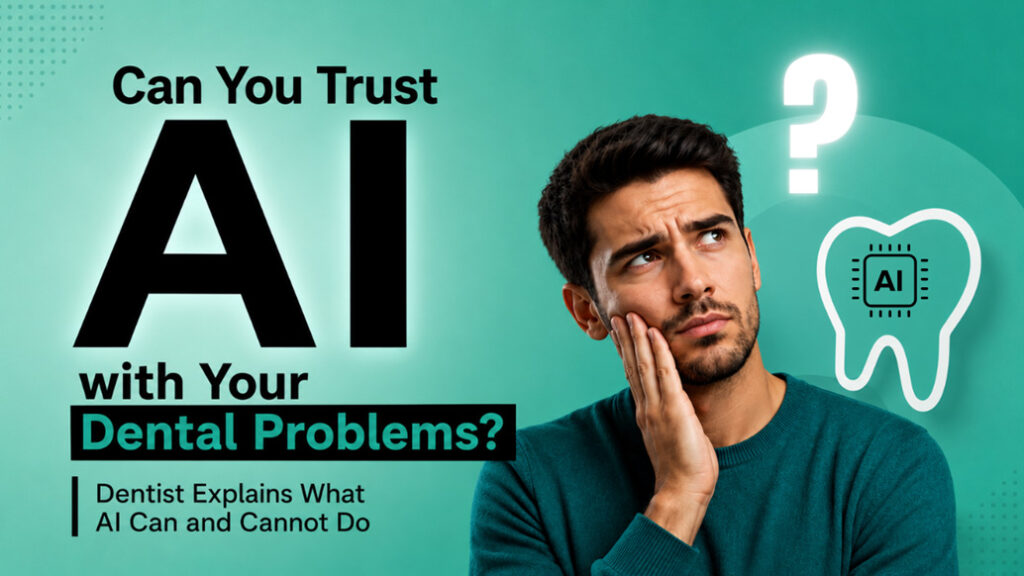
From automated caries detection algorithms to real-time neural network radiograph analysis, intelligent software is rapidly redefining modern medical practice. As computational diagnostic platforms enter mainstream healthcare in 2026, patients across tech-forward urban centers are encountering a new standard of predictive screening. Yet beneath the impressive technological capabilities lies a critical debate on the boundary between machine precision and human clinical mastery.
From Dr. Medasani Roshny, Dental Surgeon | Founder & Lead Specialist, True White Dental Clinic
The Digital Transformation of Diagnostic Dentistry
The clinical environment led by Dr. Medasani Roshny at True White Dental Clinic exemplifies how sophisticated digital workflows are replacing conventional guesswork. Contemporary examination rooms utilize high-resolution intraoral cameras and artificial neural networks capable of cross-referencing diagnostic images against vast radiographic databases in real time.
In fast-growing metropolitan technology corridors, patients increasingly expect evidence-backed, transparent consultations. Rather than receiving ambiguous clinical advice, individuals are presented with high-definition digital scans where machine learning algorithms highlight microscopic bone loss, proximal enamel demineralization, and early signs of periapical inflammation before they become visible during standard physical inspections.
This shift toward algorithmic transparency has fundamentally altered the doctor-patient dialogue. In the past, explaining why a symptomless tooth required preventive sealing or restorative intervention often met with patient hesitation. Today, visual heat-maps and quantified bone-density metrics generated by diagnostic AI provide objective clarity, helping patients make well-informed decisions about their oral health with complete confidence.
“Artificial intelligence operates as an exceptional diagnostic aid in the modern clinic. It scans radiographs in fractions of a second, flagging minute structural changes that warrant closer inspection. However, AI does not treat the individual—it processes data. The critical bridge between raw computational findings and effective patient care will always remain clinical expertise.”
Dr. Medasani Roshny
Where AI Excels: Pattern Recognition, Speed, and Procedural Accuracy
The primary strength of artificial intelligence in oral healthcare rests on its computational speed and pattern-recognition prowess. Deep-learning models excel at parsing volumetric cone-beam computed tomography (CBCT) datasets, automatically identifying anatomical landmarks, tracing the path of the mandibular canal, and measuring alveolar bone width with sub-millimeter precision.
In contemporary prosthodontics and orthodontics, AI-integrated computer-aided design (CAD) platforms have transformed treatment efficiency. Software can calculate complex tooth movements, simulate stages of clear aligner progression, and design patient-customized ceramic restorations within minutes. This level of computational accuracy drastically reduces laboratory turnaround times and minimizes the need for chairside adjustments. Patients can also review Dr. Medasani Roshny’s professional credentials and clinical expertise listed on Practo & ClinicSpotsto explore verified treatment outcomes and advanced digital services.
As she highlights during diagnostic reviews, smart tools have elevated standard clinical workflows by introducing unprecedented reliability and precision into daily restorative practice.
The Limitations of AI: Why Clinical Expertise Remains Essential
Despite these technological achievements, machine learning models lack physical senses and contextual comprehension. When evaluating a complex dental condition at a specialized Dental Clinic in Kondapur, an experienced clinician looks beyond pixels on a monitor. Diagnostic decisions require physical palpation, thermal vitality testing, gingival sulcus depth measurement, and careful evaluation of occlusal bite harmony.
A frequent challenge with standalone AI algorithms is their vulnerability to false positives. Optical illusions such as cervical burnout, radiographic overlap of enamel layers, or dense restorative margins can easily deceive computer vision models into indicating active decay where none exists. Without seasoned practitioner oversight, relying blindly on algorithmic alerts could lead to unnecessary drilling and overtreatment.
Furthermore, biological health cannot be reduced to binary code. A patient’s medical history—including uncontrolled diabetes, osteoporosis medications, night-time bruxism, or chronic acid reflux—fundamentally dictates which dental treatments are viable and safe. According to Dr. Medasani Roshny, customized care requires assessing the entire physiological landscape of the patient, synthesizing lifestyle factors, personal comfort levels, and aesthetic aspirations into a balanced long-term treatment strategy.
The Ideal Future: Augmented Intelligence and Compassionate Healthcare
The emerging healthcare paradigm is defined not by machines superseding clinicians, but by augmented intelligence—where advanced computational tools enhance human skill without displacing empathy. By delegating high-volume radiographic screening and 3D modeling to intelligent software, dental professionals can dedicate more focused chairside time to personalized counsel and meticulous treatment execution.
For the urban community, navigating modern healthcare means choosing clinics that invest in state-of-the-art diagnostic innovation while prioritizing ethical, doctor-led clinical excellence.
“Technology should empower patients, not confuse them. When artificial intelligence is guided by seasoned clinical judgment, it provides unmatched diagnostic certainty while safeguarding the compassionate, personalized care every patient deserves.”
Dr. Medasani Roshny
Achieving optimal oral health requires combining cutting-edge diagnostic precision with timely human guidance. The decision to seek proactive, expert evaluation before minor symptoms escalate remains in your hands.
Contact Details:
True White Dental Clinic: Kondapur Main Road, Near Botanical Garden, Kondapur, Hyderabad, Telangana 500084
Phone: +91 91217 20153 | Email: truewhitedental@gmail.com |
Website: https://truewhitedental.com/
This article is intended strictly for general awareness, educational purposes, and media informational reference. It does not substitute professional medical or dental advice. Individuals seeking personalized evaluation or treatment should consult a qualified specialist.
About Author